Rapid Carpenter Ant Removal Techniques
Carpenter ants are a common pest that can cause significant structural damage if left untreated. These ants excavate wood to create nesting sites, often compromising the integrity of homes and buildings. Effective extermination requires a thorough understanding of their behavior and habitats, making professional intervention highly recommended.
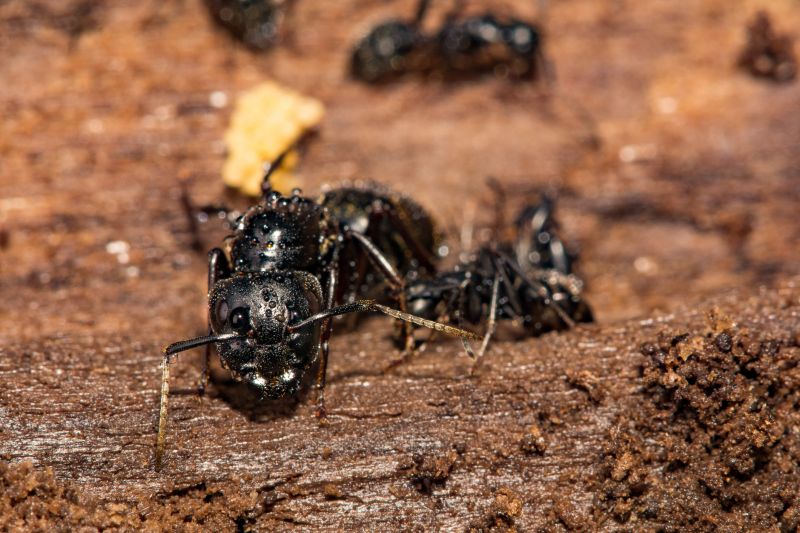
Damage caused by carpenter ants often appears as smooth tunnels within wood structures, indicating their nesting activity.
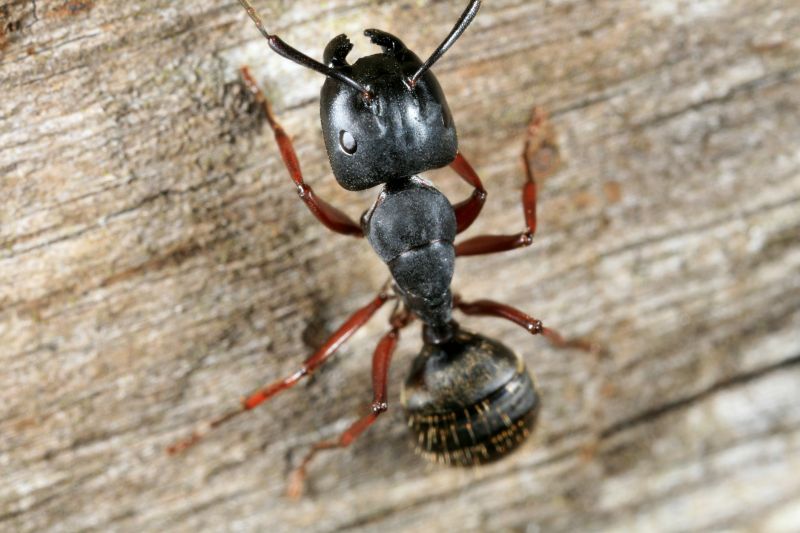
Visible trails of carpenter ants can lead to their nesting sites, often hidden within walls or woodwork.
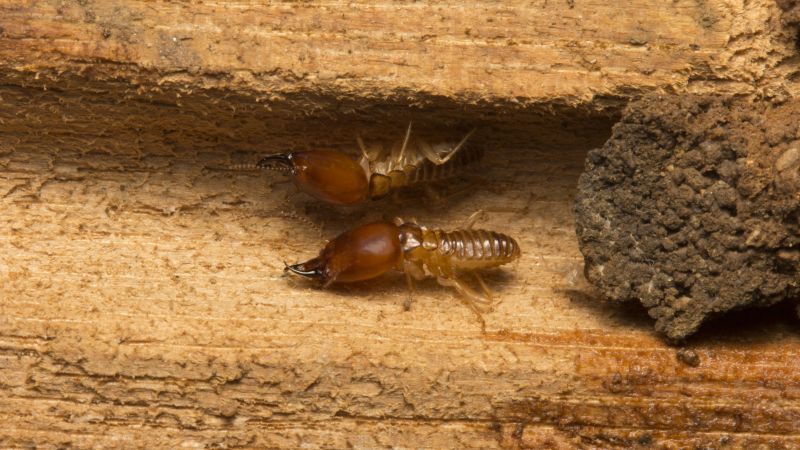
Infested wood shows signs of hollowing and sawdust-like debris, a result of their excavation process.
The process of professional carpenter ant extermination typically involves a detailed inspection to identify nesting sites and entry points. Treatment methods may include targeted baiting, applying insecticides to affected areas, and sealing entry points to prevent future infestations. The entire process can take from a few hours to a day, depending on the extent of the infestation.
Hiring a professional ensures that all colonies are effectively eradicated, reducing the risk of ongoing damage. Experts have access to specialized products and techniques that are not available to the general public, increasing the likelihood of a complete and lasting solution.
Professionals conduct a comprehensive inspection to locate nesting sites and entry points for effective treatment.
Use of bait stations, insecticide applications, and exclusion techniques to eliminate carpenter ants.
Sealing entry points and removing wood debris helps prevent future infestations.
Most treatments are completed within a day, with follow-up inspections to ensure complete eradication.
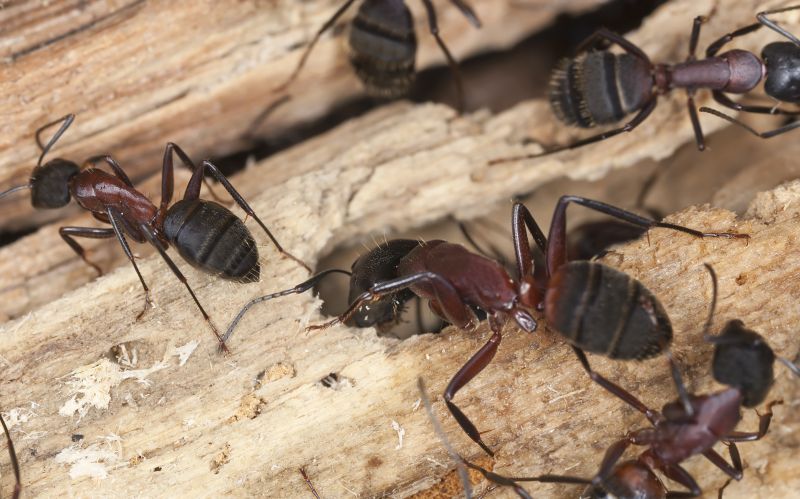
Exterminations result in treated areas free from active carpenter ant activity.
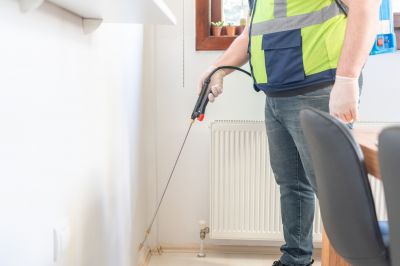
Effective sealing prevents new colonies from establishing within structures.
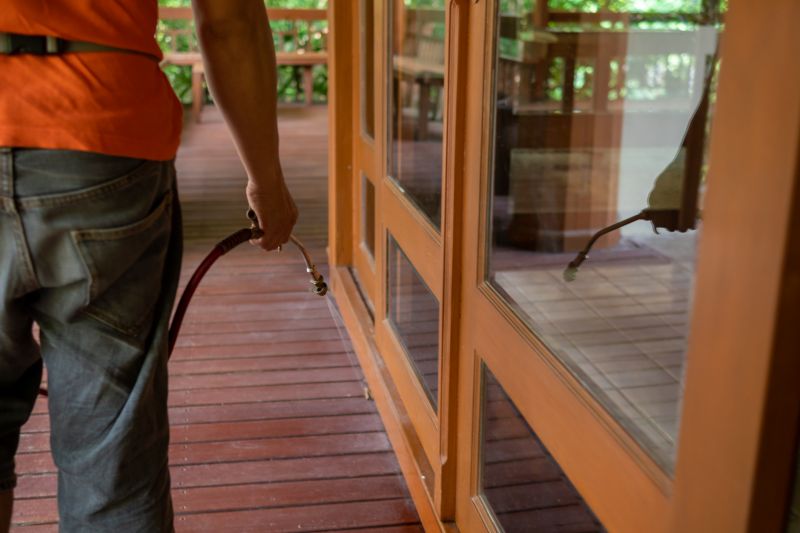
Restored wood surfaces show no signs of ongoing damage after treatment.
Effective carpenter ant extermination is essential to maintain structural integrity and prevent costly repairs. Professional services provide a comprehensive approach, ensuring that all colonies are addressed and future risks minimized. Proper identification, treatment, and prevention techniques are critical components of successful eradication.