
Essential Products For Carpenter Ant Pest Management Strategies
Equip yourself with the key products that offer effective pest management and long-term control against carpenter ants.
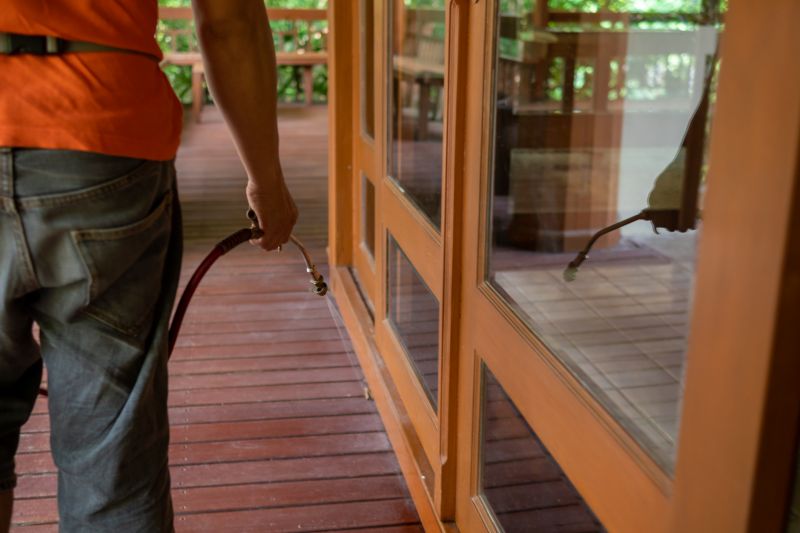 Carpenter ants can pose significant challenges for homeowners and property managers due to their tendency to burrow into wood structures, causing potential damage over time. Effectively managing and preventing infestations involves understanding the range of products available specifically designed to target these wood-dwelling insects. From liquid insecticides and dust formulations to bait stations and aerosol sprays, there are multiple options suited to different levels of infestation and application preferences. Proper identification of the ant activity and understanding the extent of the problem are key steps before selecting the appropriate treatment method.
Top Overall Option
Comprehensive Carpenter Ant Bait System
A versatile bait system designed to attract carpenter ants and eliminate colonies through a slow-acting, insecticidal formula. Its ease of use and effectiveness make it a popular choice for both indoor and outdoor applications, providing ongoing control as ants carry the bait back to their nests. Suitable for various environments, this bait system allows for discreet placement and minimal disruption. When used as part of an integrated pest management plan, it offers a non-intrusive method to monitor and manage ant activity effectively.
Types of Products For Carpenter Ant Exterminations
Liquid Insecticide Sprays
Designed for direct application to infested areas and cracks, these sprays help penetrate wood and reach hidden colonies, providing immediate knockdown of ants.
Dust Formulations
Powdered insecticides that can be blown into wall voids, cracks, and voids, offering residual control and access to hard-to-reach places.
Bait Stations
Pre-filled bait stations attract foraging ants and deliver insecticide back to the colony, supporting long-term control.
Aerosol Sprays
Convenient for spot treatments and quick knockdown of visible ants and nests, especially in confined spaces.
Soil Drench Products
Applied around the foundation or directly into soil, these products create a barrier to prevent new colonies from establishing.
Wood Treatments
Specialized products formulated to treat wood structures and prevent carpenter ants from nesting within wooden components.
Foam Insecticides
Expanding foam formulations that can fill voids and cracks, delivering insecticide directly into nests.
Granular Baits
Placed around the perimeter or in targeted areas, these attract ants and help control colonies over time.
Residual Surface Sprays
Applied to surfaces where ants are active, providing ongoing residual control.
Gel Baits
Placed in cracks and crevices, these gels attract ants and are effective for targeted nest elimination.
Traps and Monitoring Stations
Used for early detection and ongoing monitoring of ant activity before applying other control methods.
Natural Repellents
Non-chemical options like essential oils that may help deter ants from infested areas.
Popular Choices
Widely used for ongoing monitoring and colony management, offering a discreet solution to attract and eliminate ants.
Commonly used for quick treatment of visible nests and for spot treatments in indoor spaces.
Applied around foundations and entry points, creating a protective perimeter against carpenter ants.
Effective for filling voids and cracks where ants may be nesting or for treating wall voids.
Placed in problem areas to attract foraging ants and support colony elimination efforts.
Used around the exterior of buildings to create a barrier that discourages colony establishment.
Applied on surfaces where ants are active, providing extended control.
Ideal for filling voids and cracks, delivering insecticide directly into nests.
Placed strategically around property to attract and eliminate foraging ants over time.
Designed to protect wooden structures and prevent carpenter ants from nesting.
Assist in early detection and ongoing monitoring of ant activity.
Use natural oils to deter ants from specific areas without chemicals.
Many products are formulated to penetrate wood and reach hidden colonies, which is essential for comprehensive control. For interior applications, aerosol sprays and dusts are often used to treat visible nests or infested areas, while bait stations can help manage ongoing activity by attracting ants and eliminating colonies from within. Exterior treatments, such as liquid barriers and soil drench products, can create a protective perimeter around structures to prevent new colonies from establishing. When choosing products, it’s important to consider safety, ease of use, and the specific environment where the treatment will be applied.
Effective carpenter ant control often involves a combination of products and strategies, including regular inspections and maintenance. Using products that are suitable for both indoor and outdoor use allows for integrated pest management approaches. Additionally, following the manufacturer’s instructions ensures proper application and safety. Since carpenter ants prefer moist, wood-to-soil contact areas, addressing moisture issues and removing wood debris can also support chemical treatments. Having a variety of product options at your disposal can help tailor your approach to your specific situation, whether dealing with a small nest or a larger infestation.
Key Buying Considerations
- Identify the extent of the infestation to choose appropriate treatment methods.
- Determine whether indoor or outdoor application is needed or both.
- Consider the safety profile of the product, especially if children or pets are present.
- Select products that are suitable for the specific environment, such as wood, soil, or concrete.
- Evaluate ease of application, including spray, bait, or dust formats.
- Check for residual effects to ensure long-lasting control.
- Look for products that can target hidden or inaccessible nests effectively.
- Assess whether the product is compatible with other pest management strategies you plan to use.
- Review the manufacturer's instructions for proper application and safety precautions.
- Consider the size of the area to be treated to select appropriately sized containers or quantities.
- Determine if the product is suitable for spot treatments or broader perimeter applications.
- Think about the potential need for ongoing monitoring and maintenance.
- Evaluate the environmental conditions, such as moisture levels and wood presence, that may influence effectiveness.
- Research any local regulations or restrictions regarding pesticide use.