Carpenter Ant Extermination Timing
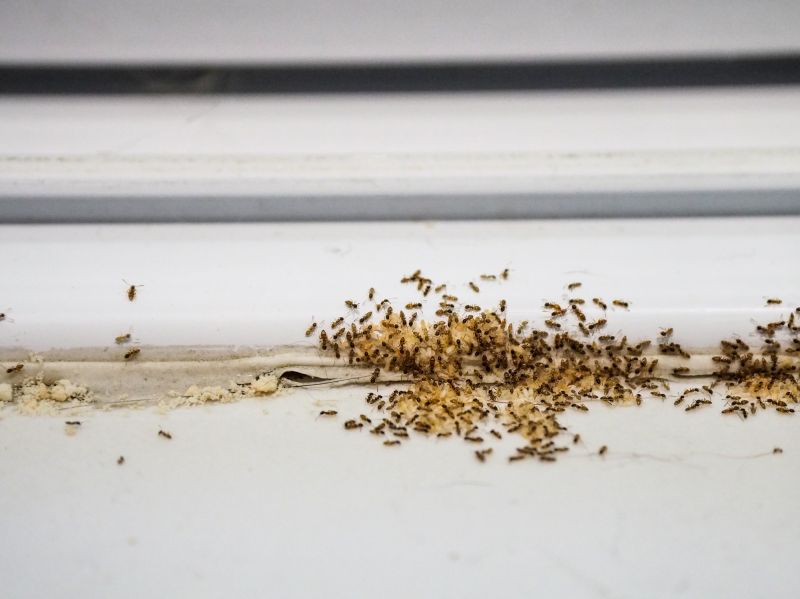
Early spring is ideal for detection and treatment before colonies expand.
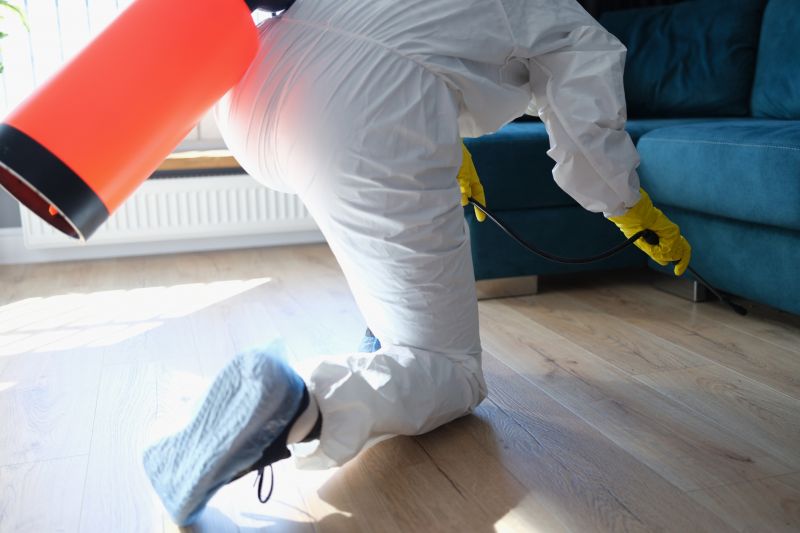
Monitoring during summer helps identify active colonies and prevent damage.
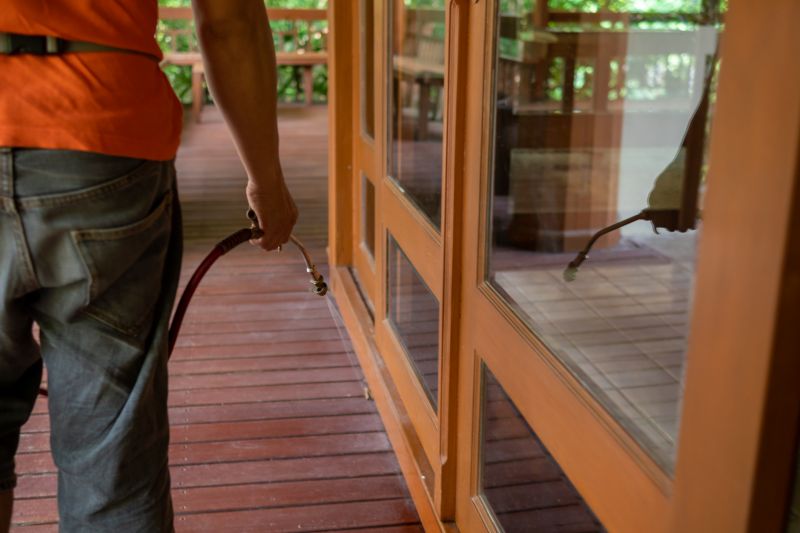
Fall is suitable for applying preventative measures as colonies prepare for winter.
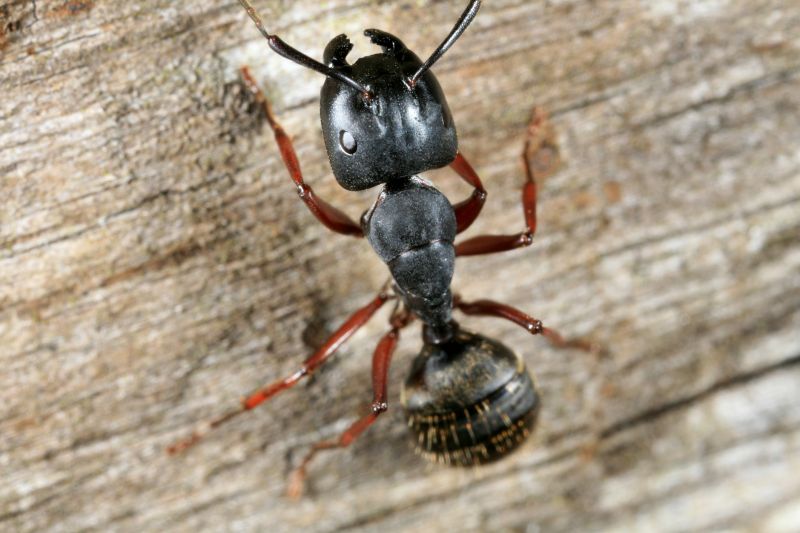
Ways to make Carpenter Ant Exterminations work in tight or awkward layouts.
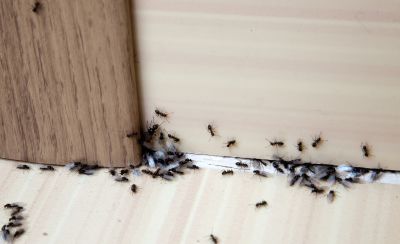
Popular materials for Carpenter Ant Exterminations and why they hold up over time.
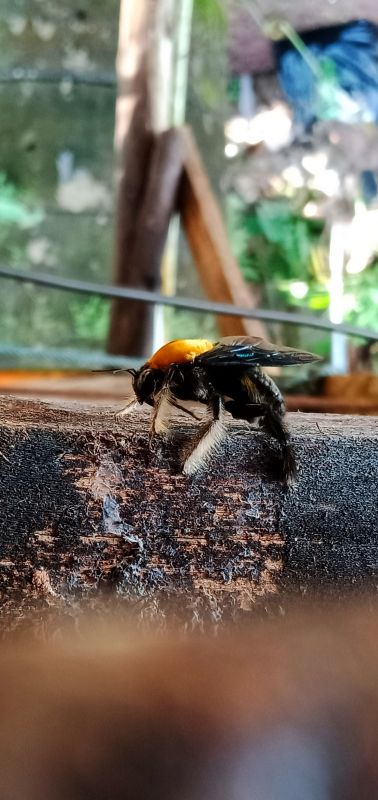
Simple add-ons that improve Carpenter Ant Exterminations without blowing the budget.
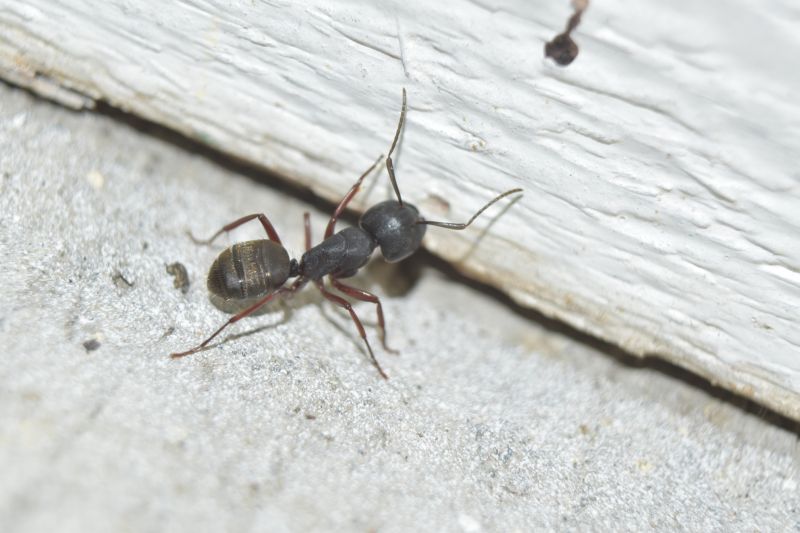
High-end options that actually feel worth it for Carpenter Ant Exterminations.
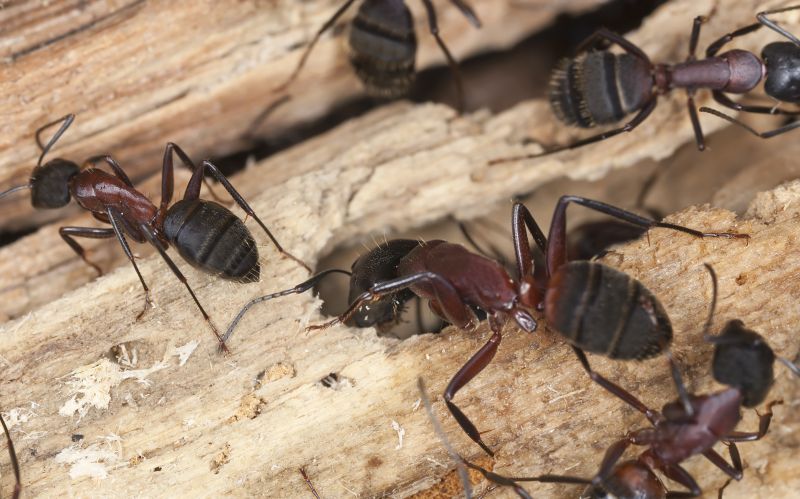
Finishes and colors that play nicely with Carpenter Ant Exterminations.
Carpenter ant extermination is a critical process to prevent structural damage caused by these wood-dwelling insects. They typically become active during warmer months, with peak activity in late spring and summer. Effective treatment timing can significantly reduce the risk of extensive damage, which can compromise the integrity of wooden structures. Recognizing the seasonal patterns of carpenter ant activity allows for strategic intervention and more successful extermination efforts.
These ants prefer moist, decayed wood and can establish colonies within walls, foundations, and wooden structures.
Presence of wood shavings, rustling sounds within walls, and visible ants are common indicators.
Timely extermination prevents structural weakening and costly repairs.
Baits, insecticidal dust, and liquid sprays are commonly used to eliminate colonies.
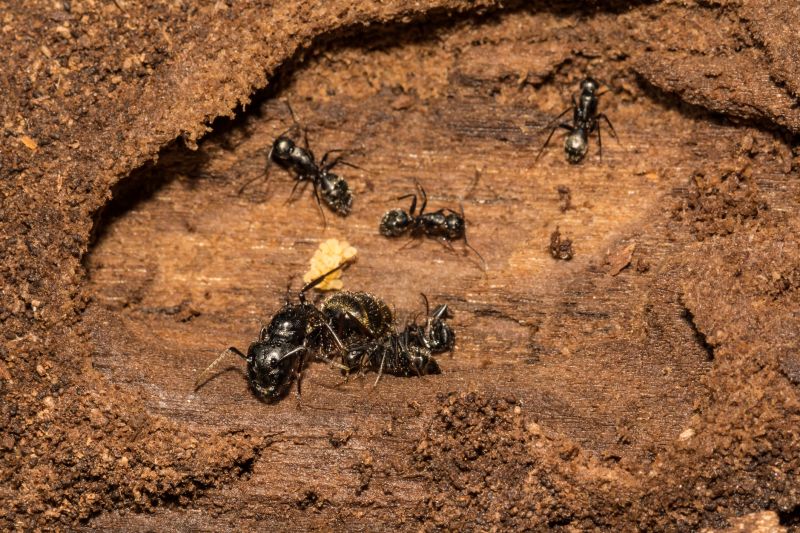
Wood damage caused by carpenter ants appears as tunnels and hollowed-out wood.
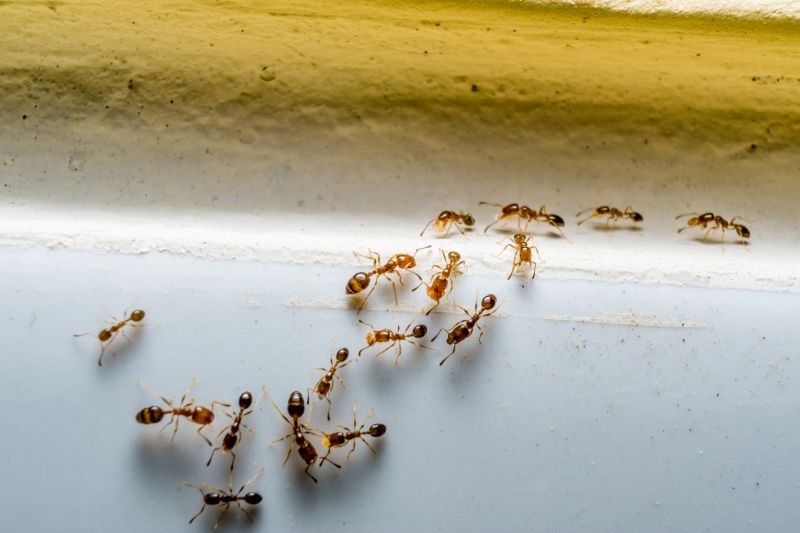
Carpenter ants are large, black or reddish-brown, and often seen near wood sources.
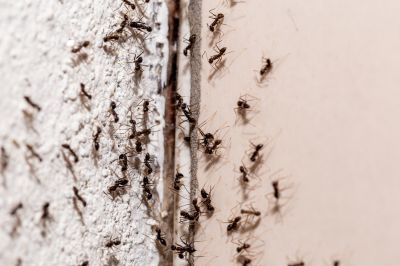
Common nesting sites include wall voids, beneath floors, and in decayed wood.
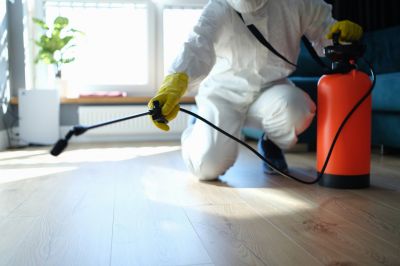
Reduce moisture and eliminate wood debris around structures.

Little measurements that prevent headaches on Carpenter Ant Exterminations day.
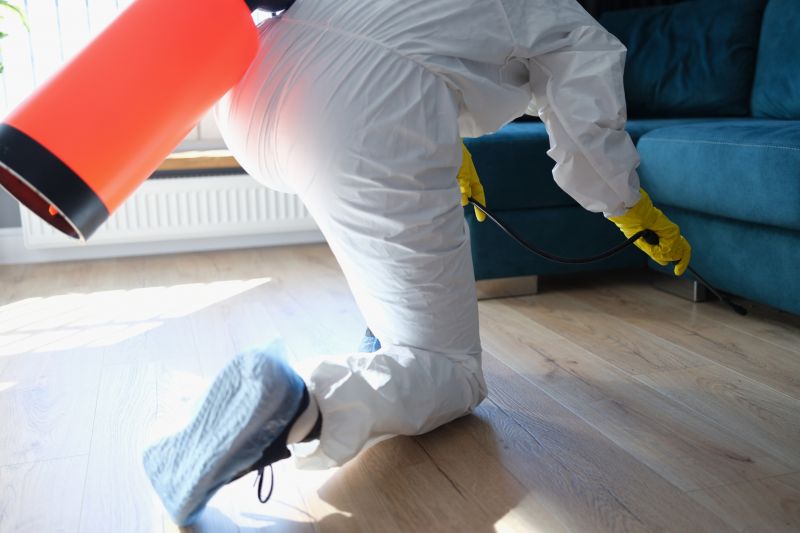
A 60-second routine that keeps Carpenter Ant Exterminations looking new.

A frequent mistake in Carpenter Ant Exterminations and how to dodge it.
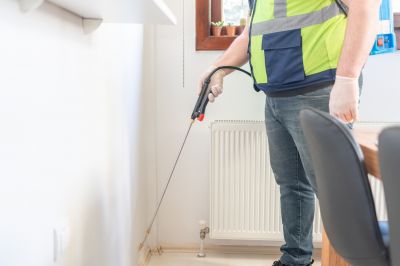
Small tweaks to make Carpenter Ant Exterminations safer and easier to use.
| Season | Recommended Action |
|---|---|
| Spring | Inspection and early treatment to prevent colony expansion |
| Summer | Monitoring and targeted extermination of active colonies |
| Fall | Preventative measures before winter dormancy |
| Winter | Limited activity; focus on structural repairs |
Understanding the seasonal behavior of carpenter ants enhances the effectiveness of extermination efforts. Early intervention during spring can prevent colonies from establishing deep within wooden structures. Summer treatments focus on active colonies, reducing the risk of damage during peak activity. Fall applications serve as preventative measures, preparing structures for winter dormancy and minimizing the chance of reinfestation.
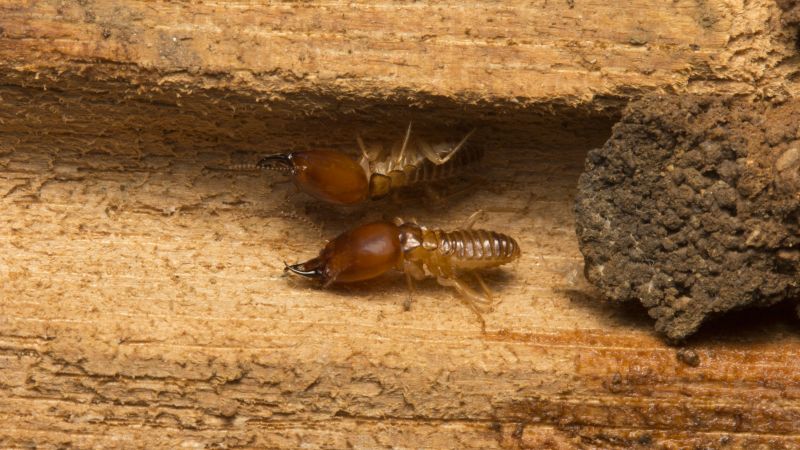
Hollowed wood and sawdust-like debris signal carpenter ant activity.
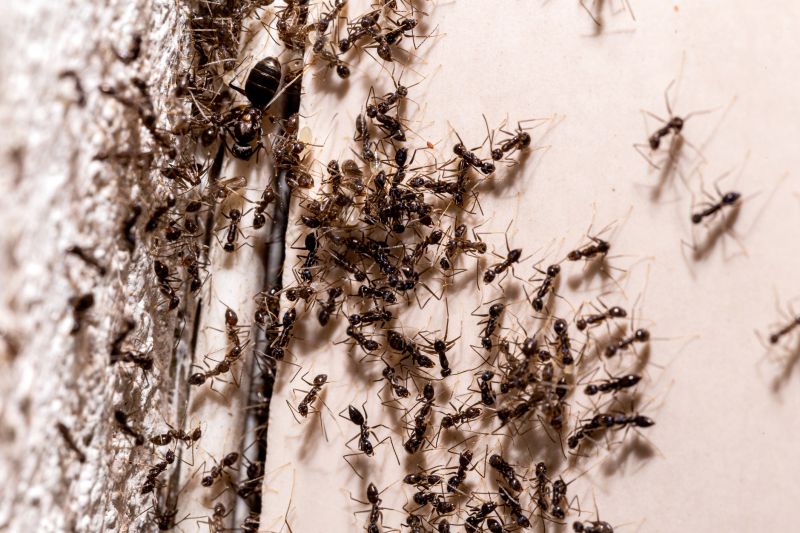
Large black ants often seen near wood sources or inside walls.
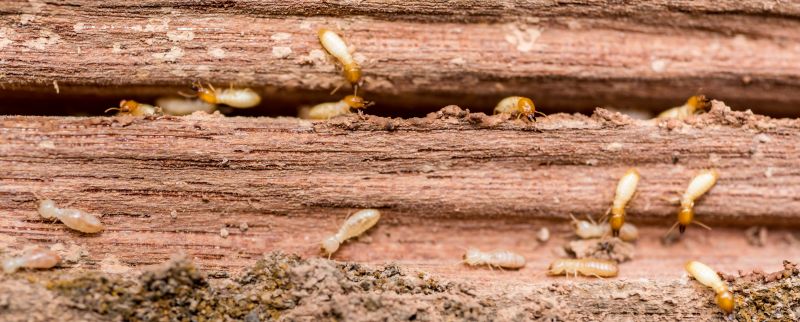
Look for cracks, holes, or moist areas in wooden structures.

Use of bait stations and insecticidal dust is common for treatment.
Timely extermination of carpenter ants is essential to maintaining structural integrity and preventing costly repairs. Recognizing signs of infestation early and choosing appropriate treatment methods can effectively control and eliminate colonies. Regular inspections and moisture control are key components of an integrated pest management approach that reduces the likelihood of future problems.
Interested in addressing carpenter ant concerns? Filling out the contact form can provide more information on available extermination options and scheduling an inspection to protect wooden structures from damage.